Complete Step-by-Step Guide to Stucco Water Leak Repair and Detection
Water leaks behind stucco can turn a small problem into structural issues if ignored. Many homeowners first notice peeling paint, unsightly stains, or small cracks, but by then, moisture may already be spreading across the walls.
Searching for stucco repair near me becomes urgent once these signs appear, especially when water intrusion threatens your home’s curb appeal, energy efficiency, and structural integrity.
This guide walks you through the common causes, how to spot early signs of damage, essential tools, and expert steps for stucco water-damage repair, so you can protect your home before issues grow worse.
Common Causes of Stucco Water Leaks
Stucco exteriors are durable, but they can absorb moisture easily, especially in vulnerable areas. Many homeowners searching for stucco repair near me often discover that the cause of their problem started long before the signs appeared. According to the U.S. Department of Energy, poor drainage around a home's envelope increases the risk of water intrusion in stucco homes. When left untreated, these problems lead to cracking, mold growth, and costly repairs.
Here are the most common causes homeowners face:
- Poor drainage around windows, gutters, and rooflines
- Small cracks that allow water to seep behind the stucco surface
- Improper stucco application or low-quality stucco mix
- Compromised stucco from age, weather, or foundation issues
- Gaps around windows and doors caused by failing caulking
- Damaged stucco from impact or wear
These issues weaken your building envelope and allow moisture intrusion that can cause extensive damage if not addressed quickly.
Visible Signs of Stucco Water Damage
Early detection prevents further water intrusion and structural damage. Homeowners often see visible signs before realizing moisture has already traveled deeper into the walls.
Look for:
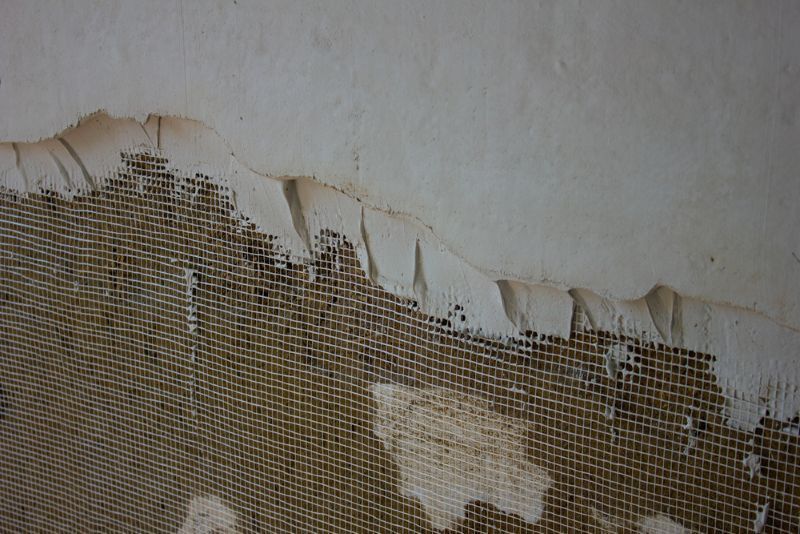
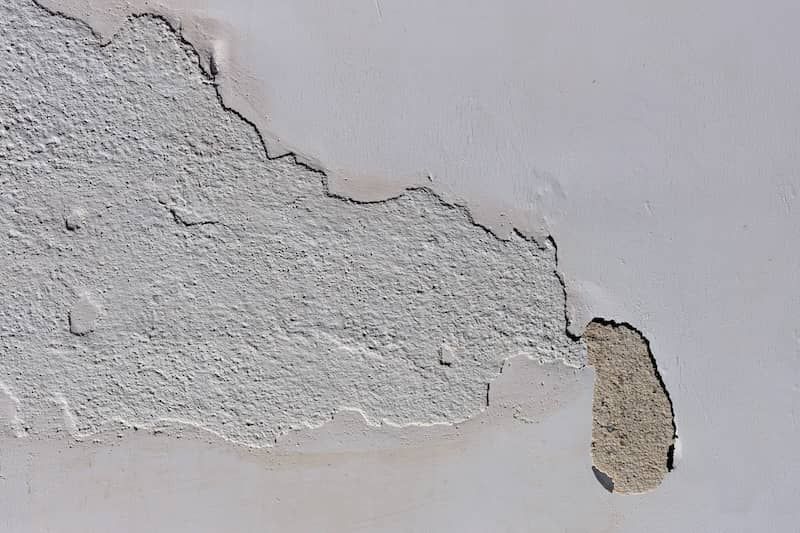
- Peeling paint or bubbling patches
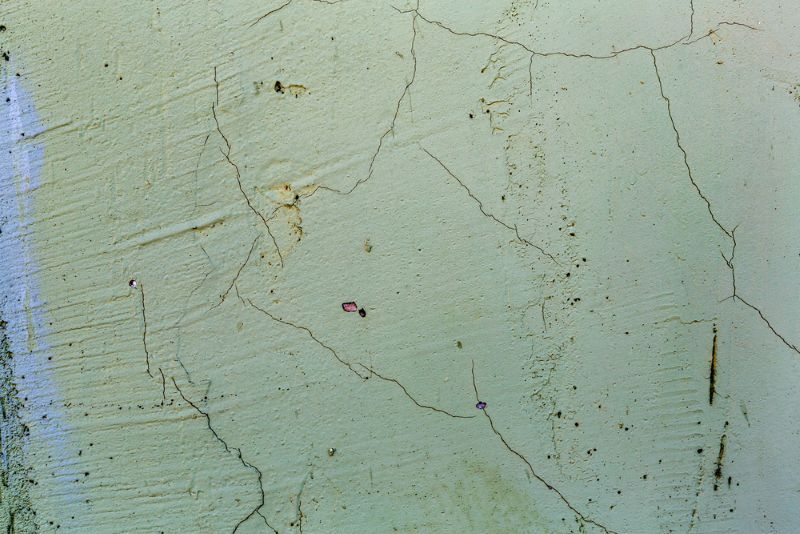
- Water stains or discoloration
- Cracked stucco or gaps around openings
- Mold growth near windows, gutters, or at the foundation
- Soft or crumbling stucco surface
- Unsightly stains that keep returning
If these issues appear, your home may already need water damage stucco repair.
Necessary Tools for Detecting Stucco Moisture
Professional stucco repair services rely on reliable, science-backed tools to confirm moisture levels. Homeowners searching for stucco repair near me often don’t realize how essential proper testing is until hidden leaks become visible. One of the most commonly used tools is a moisture meter, which helps measure moisture behind existing stucco and reveal hidden leaks.
Tools You’ll Need:
- Moisture meter
- Utility knife
- Hammer and chisel
- Caulking gun
- Exterior sealant
- Stucco mix and bonding agent
- Protective gloves and goggles
Using the right tools helps ensure accurate detection and effective repair of stucco safely.
Step-by-Step Guide to Stucco Water Leak Repair
This ultimate guide breaks down each step so homeowners understand the repair process clearly. For many who start by searching stucco repair near me, knowing what to expect helps them make confident decisions. If the damage is extensive, contacting professional stucco repair services ensures the repair meets manufacturer’s instructions and long-term performance.
Step 1: Inspect the Affected Areas
Check all vulnerable areas—windows, doors, gutters, and rooflines. Notice peeling paint, cracks, and water stains. A moisture meter helps determine how far the moisture has spread and whether structural issues may be developing.
Step 2: Remove Damaged Stucco
Using a hammer and chisel, carefully chip away compromised stucco until you reach a solid, uniform surface. This step prevents further damage and ensures new stucco bonds properly.
If extensive damage or structural issues are present, stop and call a professional.
Step 3: Identify the Source of Water Intrusion
Repairing stucco without addressing the cause only leads to future problems. Common leak sources include:
- Failing window seals
- Cracked stucco
- Damaged gutters
- Roof runoff that drains against the wall
- Foundation issues that push moisture upward
Fix these before applying new stucco to prevent cracking and water-resistant failures.
Step 4: Apply a Water-Resistant Barrier
A proper barrier protects the home’s exterior and prevents moisture from reaching the walls. Homeowners who search for stucco repair near me often discover that this step is essential because the added layer improves energy efficiency and strengthens your building envelope.
Step 5: Mix and Apply New Stucco
Follow the manufacturer’s instructions to prepare the stucco mix. Apply it in layers:
- Scratch coat
- Brown coat
- Finish coat for color and texture
This creates a smooth, uniform surface that blends well with the existing stucco.
Step 6: Seal All Vulnerable Areas
Seal around windows, doors, and cracks to protect against future water leaks. Many homeowners looking for stucco repair near me also learn that this simple preventative measure helps save money on long-term repairs.
Step 7: Schedule Regular Inspections
Regularly checked stucco by professionals helps catch problems early and maintain your home’s exterior. Many homeowners prefer hiring experts after noticing discoloration, mold buildup, or small cracks to avoid more costly repairs down the line.
How to Prevent Future Stucco Damage
Prevention is always cheaper than repair. Keep your stucco siding in excellent condition with these simple steps:
- Clean gutters regularly to prevent water overflow
- Check windows and doors for failing caulking
- Inspect stucco exteriors after storms
- Seal cracks immediately to avoid moisture intrusion
- Maintain slope and drainage away from the house
- Never let vulnerable areas remain left untreated
Proper maintenance reduces the chances of needing Stucco Repair Cost services in the future, protecting your home and extending the life of your stucco project.
When to Call a Stucco Professional
DIY repairs work for small cracks, but larger issues require expert tips and skilled repair services. Contact a professional when:
- Moisture meter readings show high moisture behind walls
- Mold growth spreads across the surface
- Cracks deepen or widen
- There is suspected structural damage
- Water leaks continue after surface fixes
- More than one wall shows signs of stucco damage
Searches for stucco repair near me increase in seasons with heavy rain because homeowners notice worsening stains, seep marks, and peeling paint. Professional help ensures the repair protects your home long-term.
Protect Your Home with Professional Stucco Care
Water intrusion spreads fast, but immediate action helps prevent further damage and restores your home’s exterior. From identifying cracks to applying new stucco, each step plays a role in protecting walls, structural integrity, and curb appeal. When damage becomes too extensive or you want guaranteed results, Orlando Stucco Repair Pros offers reliable and long-lasting solutions backed by industry expertise.
Frequently Asked Questions
1. What causes water leaks behind stucco walls?
Water leaks usually come from cracks, unsealed windows, damaged rooflines, or poor drainage. Orlando’s heavy rainfall and humidity make stucco homes more vulnerable. When early leaks occur, many residents search for stucco repair near me to prevent more serious moisture problems.
2. How do I know if my stucco has water damage?
Common signs include discoloration, peeling paint, bubbling texture, or a musty smell after storms. Soft or dark patches on walls are also indicators. Early detection helps avoid costly repairs and structural damage.
3. Can small stucco cracks cause serious water intrusion?
Yes. Even tiny cracks allow water to seep into layers underneath stucco surfaces. Over time, this leads to mold growth, rot, or structural issues. Addressing small cracks quickly prevents them from becoming larger repair projects.
4. How long does stucco water leak repair usually take?
Most repairs take 1 to 3 days, depending on the severity of the damage and the drying time between layers. Larger projects that require rebuilding multiple coats or fixing drainage issues may take longer.
5. When should a homeowner call a professional?
A professional should be contacted when mold growth, peeling paint, deep cracks, or recurring water stains are present. If moisture returns after storms, a qualified contractor can identify hidden issues and safely restore the building envelope.
RECENT BLOGS