Stucco vs Concrete vs Plaster: What’s on Your Walls?
If you’re confused about what’s actually on your walls, join the club. Most Orlando homeowners are. It’s not because you aren’t paying attention. It’s because Florida walls don’t behave like walls in other states.
One contractor says stucco, another says concrete, and a neighbor swears it’s plaster. Suddenly, you're stuck in the middle of a stucco vs concrete or stucco vs plaster debate, just trying to fix a crack without making it worse.
In our humidity, that confusion is expensive. Using the wrong patch or "waterproof" paint is a recipe for disaster. If you trap moisture, your paint will bubble long before the next hurricane season. This guide keeps it simple: three practical ways to identify your wall surface so you don't turn a small repair into a $10,000 headache.
The “Big Three” Wall Materials Explained (Florida Context)
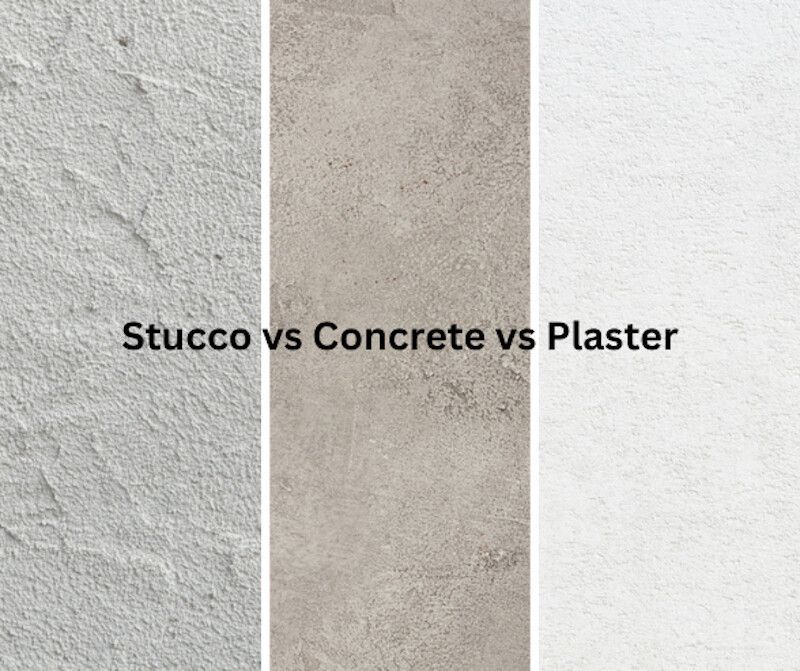
Before you start tapping or poking at anything, it helps to know what you’re actually dealing with. Most Florida homes aren’t built with just one material. They’re layered. Covered. Finished. That’s where the big difference shows up in the whole stucco vs concrete and stucco vs plaster confusion. These are two materials that often work together, not against each other. The only difference that matters is where they’re used and how they handle moisture in high humidity.
Stucco – Florida’s Most Common Exterior Finish
Stucco walls are everywhere here. On exterior walls, over cinder blocks, brick, or wood framing. Traditional and modern stucco are made from portland cement, sand, and lime, layered over metal lath with a scratch coat underneath. That rough texture isn’t just for appearance. It has tiny pores that let moisture escape. That’s key for weather resistance, fire resistance, and long term protection on a home’s exterior. With proper installation and the right drying techniques, stucco offers real durability. Mess it up, though, and stucco repair gets expensive fast.
Concrete – The Structural Core
Concrete isn’t a finish. Its structure. Poured concrete or block walls made from cement, sand, and aggregate form the backbone of the construction. These vertical surfaces are load-bearing, dense, and durable, but they’re almost always covered by stucco, siding, stone veneer, or mortar. Concrete handles rain well, but once moisture gets trapped against it, moisture problems show up inside.
Plaster – Interior & Historic Use
Plaster walls belong indoors. On interior walls, ceilings, and decorative elements. Traditional plaster uses gypsum or lime, and goes on smoothly. It offers more design flexibility than modern drywall. It’s softer, better for indoor use, but not suitable for exterior applications. Outside exposure leads to cracks, rot, and failed renovations fast.
Different material composition, different purpose. Choosing the right material is what keeps repairs from snowballing.
The 3-Step Wall Identification Test (No Tools Needed)
Before calling anyone or buying patch kits, do this first. These quick checks clear up most stucco vs concrete and stucco vs plaster confusion in minutes.
Step 1 – The Texture Test (Touch)
Run your hand across the surface. Stucco walls usually have a gritty, uneven feel. That texture comes from sand and how stucco installation is built up in layers. Plaster walls feel smooth, almost chalky, especially on interior applications. Concrete is different. It’s hard, cold, and dense. No give. No softness. If it feels like touching stone, you’re dealing with structure, not finish. This step alone solves more debates than most homeowners expect.
Step 2 – The Tap Test (Sound)
Tap lightly with your knuckles. Stucco over block or framing often sounds hollow. That’s normal and part of its flexibility and durability stucco is known for. Concrete answers back with a dull thud. Solid. Heavy. Plaster gives a sharper, brittle sound, especially over metal lath. If it cracks easily, stop tapping. That’s how small repairs turn into full stucco removal jobs.
Step 3 – The Location Clue (Context)
Context matters. Exterior walls in Central Florida are usually stucco over CMU (concrete masonry unit). Interior feature walls, especially in older homes, may be plaster. When in doubt, a professional stucco contractor can confirm before repairs or before you search “stucco repair near me” too late.
Why Material Identification Matters in Florida Homes
In Florida, guessing wrong doesn’t just look bad. It fails fast. That’s why the stucco vs concrete and stucco vs plaster difference matters more here than almost anywhere else.
Breathability vs. Moisture Trapping
Stucco has to breathe. That’s not optional in this climate. When you seal stucco walls with the wrong paint or coating, moisture has nowhere to go. It doesn’t dry out. It sits. Over time, that trapped humidity leads to rot behind the surface and bubbling paint out front. This is where many homeowners think they’re protecting their home, but they’re actually locking in damage. Knowing when to choose stucco-safe materials makes a big difference.
Repair Compatibility & Longevity
Not all patches play well together. Plaster repairs don’t hold up on exterior stucco, especially when surfaces expand and contract. Concrete fillers are too rigid and tend to crack on flexible finishes. These materials don’t dry horizontally the same way or move the same way. That mismatch shortens the life of the repair and turns a small fix into a repeat problem.
Hurricane & Rain Exposure Risks
Hairline cracks are all Florida rain needs. Wind-driven storms push water deep behind finishes, where it spreads quietly. One wrong repair choice can invite structural damage that only a professional contractor catches early.
Stucco vs. Concrete vs. Plaster — Quick Comparison
At this point, the differences should be clearer. When homeowners get stuck in the stucco vs concrete or stucco vs plaster debate, it usually comes down to how each material behaves once moisture, heat, and time get involved. This side-by-side keeps it simple and puts the key differences in one place.
| Feature | Stucco | Concrete | Plaster |
|---|---|---|---|
| Primary Use | Exterior finish | Structural walls | Interior finish |
| Flexibility | Moderate (with lime) | Low | Moderate |
| Moisture Handling | Breathable | Non-breathable | Poor exterior tolerance |
| Florida Suitability | High | Structural only | Interior only |
Different roles. Different limits. Knowing which surface you’re dealing with helps you avoid using the wrong repair method in the wrong place, and that’s where most Florida wall problems start.
Know the Surface Before You Fix It
At the end of the day, most problems don’t start with big cracks. They start with guessing. The whole stucco vs concrete or stucco vs plaster confusion leads homeowners to use the wrong repair in the wrong spot, and Florida doesn’t give you much grace for that. Moisture finds a way in. Heat locks it there. Damage spreads quietly behind the surface.
Getting the material right is your first real line of defense. It keeps small fixes small and helps you avoid chasing the same issue year after year.
Still unsure what’s actually on your walls? Schedule a professional inspection with Orlando Stucco Repair Pros to identify materials, check moisture levels, and avoid unnecessary repairs before they turn costly.
Frequently Asked Questions
How can I tell if my wall is stucco or concrete?
In most Florida homes, the concrete is structural and covered by stucco. If it’s an exterior wall with texture, it’s usually stucco over concrete block.
What’s the difference between stucco vs plaster in Florida houses?
Stucco is designed for exterior walls and handles humidity. Plaster is meant for interior walls and breaks down quickly when exposed to moisture.
Is stucco considered concrete?
No. Stucco contains cement, but it’s a finish material, not a structural one. Concrete provides strength; stucco provides protection and appearance.
Can plaster be used on exterior walls in Florida?
No. Plaster is not suitable for exterior use in Florida’s humidity and rain. It traps moisture and fails fast outdoors.
Why does using the wrong repair material cause damage?
Mixing materials—like using concrete filler on stucco—prevents proper drying and movement, which leads to cracking and trapped moisture.
When should a professional inspect my walls?
If cracks keep coming back, paint bubbles, or moisture stains appear, a professional inspection helps confirm the material and prevent hidden damage.
RECENT BLOGS