How to Spot EIFS Water Damage Before It Becomes a $10,000 Crisis
It starts small. A faint stain near a window. A soft spot you barely notice when pressure hits the wall. In Orlando, humidity lingers and afternoon storms hit hard, pushing moisture into places you cannot see. EIFS cladding looks solid on the surface, but it traps water differently than traditional hardcoat stucco. When sealant joints fail or flashing is weak, moisture can sit behind the system for months. That is how EIFS water damage begins quietly, invisibly, and often without obvious cracking. Most homeowners do not recognize the warning signs until framing starts to swell or rot forms behind the foam insulation. By then, repairs become far more expensive.
This guide breaks down what to watch for early, so small moisture intrusion does not turn into structural remediation.
Why EIFS Water Damage Gets Expensive Fast
EIFS water damage escalates quickly when moisture gets behind the system and cannot dry properly. Modern EIFS assemblies are built to improve energy efficiency through tight construction and continuous exterior insulation. That performance is a strength until water intrusion occurs at improper joints, door frames, or poorly sealed transitions.
When moisture slips behind the expanded polystyrene insulation board in older face-sealed systems without a functional drainage plane, it can remain trapped against the wall substrate. Unlike traditional stucco, which can allow some outward drying, synthetic stucco assemblies depend heavily on correct detailing to manage water.
If OSB sheathing absorbs that moisture, wood rot and mold growth can begin inside the wall cavity. The reinforced base coat and finish coat conceal the damage, allowing structural deterioration to progress quietly.
Improper installation (especially missing flashing) turns a high-performance exterior wall into a long-term liability.
Small intrusion → localized costly repairs
Ignored intrusion → total structural remediation
5 Early Warning Signs Most Orlando Homeowners Miss
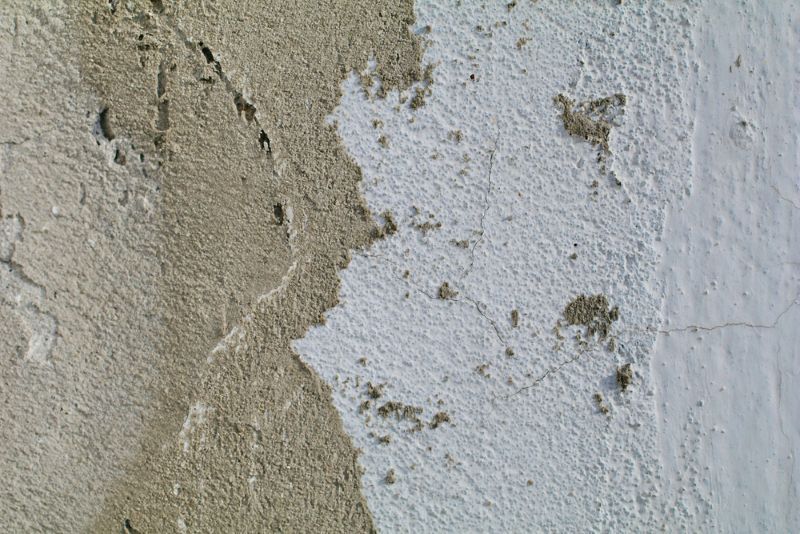
While your home’s exterior insulation and finish may look sturdy, EIFS water damage often starts where you can’t see it. Unlike traditional hardcoat stucco, modern EIFS siding is designed to be energy efficient, but even the best exterior insulation can fail without regular maintenance.
Here are five early signs your EIFS system is compromised:
1. Soft or Spongy Wall Sections
Go outside and actually press on the wall. Not hard. Just enough to feel it.
EIFS should feel solid. Not hollow. Not springy.
If it gives a little under your hand, that’s not normal wear. That’s moisture sitting behind the surface. The insulation board can start breaking down once water gets trapped. And because it’s foam-based, it doesn’t dry like traditional stucco does. It just holds it there.
Most homeowners miss this stage because the paint still looks fine. But underneath? That’s where problems start.
2. Hairline Cracks at Window Corners
Don’t ignore small cracks. While they seem like normal wear, cracks at corners often signal a failure in how the system was properly sealed against dissimilar materials. This allows water penetration to bypass the textured protective finish coat.
3. Stains That Return After Cleaning
Dark streaks near roof lines or windows that reappear after power washing aren’t just dirt. They indicate a failure in the drainage systems, where water is migrating behind the finish system rather than shedding off it.
4. Surface Bulging or Waves
If the aesthetic appeal of your walls looks wavy, the fiberglass mesh or mechanical fasteners may be pulling away. This warping happens when EIFS material stays damp, leading to structural damage over time.
5. Musty Smells Near Exterior Walls
A faint, earthy odor indoors often means the exterior insulation and finish system is trapping moisture. Without regular EIFS inspections using moisture meters, this hidden dampness can lead to costly EIFS problems despite the wall looking fine on the outside.
High-Risk Areas on EIFS Homes in Orlando
In Orlando, rain rarely falls straight down. It blows sideways, especially during summer storms. That matters more than most homeowners realize. Certain areas on homes with EIFS systems installed take the brunt of that pressure.
Start with window perimeters. If sealant fails, moisture slips behind the finish layer fast. Roof-to-wall intersections are another weak point, especially where flashing wasn’t handled with careful proper installation. Water tends to linger there.
Second-story terminations also deserve attention. Wind-driven rain pushes moisture upward, not just downward. And hose bibs or utility penetrations? Small gaps around those openings are common sources of early EIFS water damage.
Even the best continuous insulation can’t protect the wall if these transition points aren’t sealed correctly.
When It’s a Minor Repair — and When It’s Not
Not every moisture issue turns into a full rebuild. Some situations truly are small.
If you’re dealing with localized sealant failure around one opening and the underlying sheathing is still solid, that often calls for targeted
stucco repair. Catching EIFS water damage early can mean limited removal and restoring the affected section without disturbing the full wall assembly.
But softness behind multiple windows? That changes things. When moisture spreads across elevations, it compromises insulation materials, reduces continuous insulation performance, and creates thermal bridging inside the wall system. At that point, the issue isn’t cosmetic. It’s structural.
Multiple elevations showing symptoms usually point to improper detailing during original installation. That’s when remediation becomes necessary to protect framing and long-term energy performance.
Here’s the part many homeowners miss: visual inspection alone cannot confirm severity. Surface appearance rarely tells the full story. Proper testing determines whether it’s a small repair or something deeper.
How Professionals Confirm EIFS Water Damage
Surface cracks and stains only tell part of the story. Confirming EIFS water damage requires looking behind the finish system, not just at it.
Professionals start by scanning suspect areas with moisture meters to identify elevated readings inside the wall assembly. If readings spike, small probe testing helps determine whether the underlying sheathing has softened or begun to deteriorate. In some cases, infrared detection reveals cooler, damp zones where moisture is trapped behind the insulation layer.
Each method narrows the scope before any material is removed. The goal is accuracy, not guesswork.
Guessing can lead to unnecessary removal, or worse, missed structural damage.
Don’t Wait for Visible Failure
One of the biggest mistakes homeowners make is waiting until damage becomes obvious. EIFS water damage can sit quietly behind the wall for months before anything looks wrong. By the time staining spreads or swelling shows up, deterioration is already underway.
Orlando’s humidity makes that timeline shorter. Moisture lingers in wall assemblies. Paint can temporarily mask movement or surface distortion, creating a false sense of security. And most insurance policies won’t cover long-term moisture issues that develop slowly.
Catching problems early protects structural integrity and keeps repairs manageable.Orlando Stucco Repair Pros provides professional moisture evaluations designed to identify hidden damage before it escalates.
If you’re noticing early warning signs, schedule an evaluation before minor intrusion becomes structural remediation.
Frequently Asked Questions
What is EIFS water damage?
EIFS water damage occurs when moisture penetrates behind an exterior insulation and finish system and becomes trapped within the wall assembly. Over time, this can cause wood rot, mold growth, and structural deterioration that may not be visible from the surface.
How do I know if EIFS is leaking?
Common signs include soft or spongy wall sections, recurring stains near windows, hairline cracks at corners, surface bulging, or musty odors indoors. Because moisture often stays hidden, professional testing with moisture meters is the most reliable way to confirm a leak.
Can EIFS water damage be repaired without removal?
Yes, if the damage is localized and the underlying sheathing remains structurally sound. Widespread moisture intrusion or soft framing typically requires partial removal and remediation to prevent further deterioration.
How much does EIFS water damage cost to fix in Orlando?
Costs vary depending on severity. Localized repairs may be manageable, while structural remediation involving multiple elevations can significantly increase expenses. Early detection keeps repair costs lower and limits wall removal.
RECENT BLOGS